Mapping Bonus Utilization Strategies for Mindful Engagement in Live-Streamed Dealer Sessions via Smartphone Interfaces
Écrit par Sam Neumann · 30/10/2026
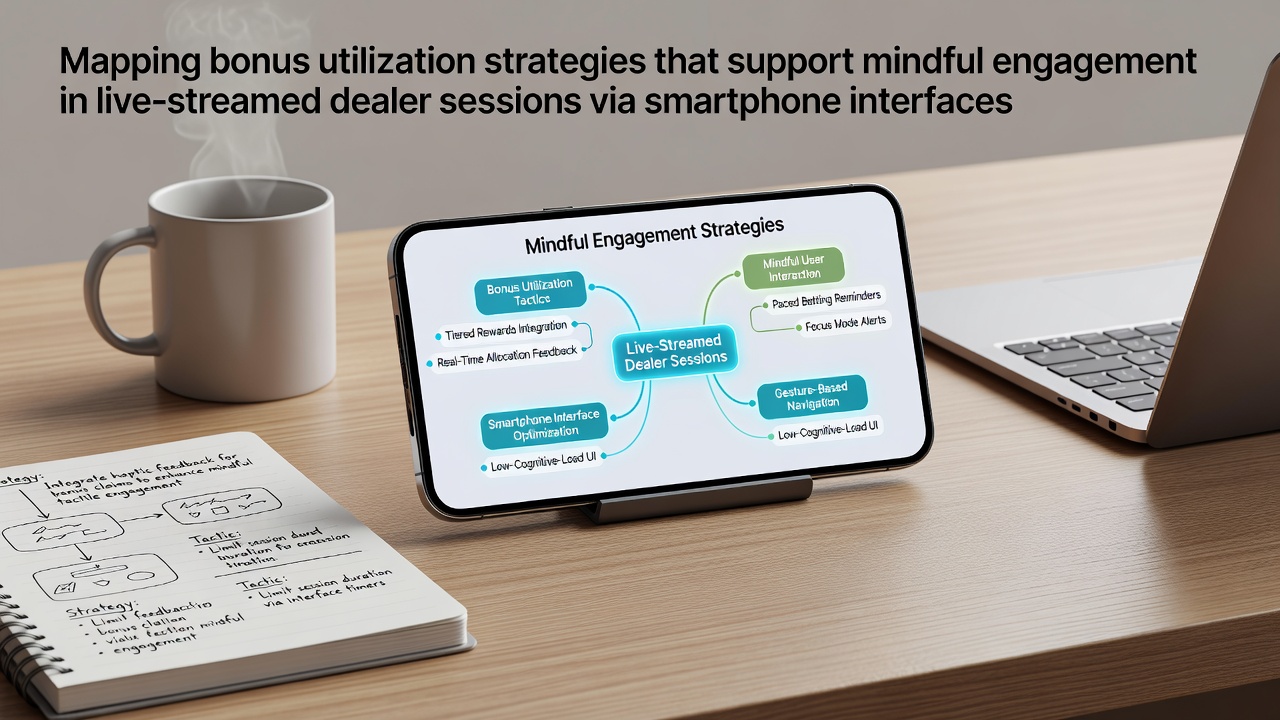
Mapping Bonus Utilization Strategies for Mindful Engagement in Live-Streamed Dealer Sessions via Smartphone Interfaces
Live-streamed dealer sessions on smartphone interfaces have expanded rapidly since 2024, and operators now track how bonus structures align with player pacing to encourage deliberate decision-making during real-time games such as blackjack and roulette. Data from regulatory filings show that mobile live dealer traffic increased by 27 percent year-over-year through September 2026, prompting platforms to refine bonus allocation so that rewards appear at intervals that match natural betting cycles rather than interrupting flow.
Observers note that bonus mapping begins with categorizing available incentives into time-based, wager-based, and session-length tiers, each tied to specific live dealer formats. Time-based bonuses activate after a set number of consecutive hands, while wager-based rewards scale with cumulative bets placed during a single stream. Session-length tiers unlock after players complete a predetermined number of rounds without rapid escalation, and these categories appear directly on smartphone dashboards through color-coded progress bars that update in real time.
Core Components of Effective Bonus Mapping
Researchers at industry analytics firms have identified three recurring elements that support sustained attention during live dealer play. First, clear visibility of remaining bonus requirements prevents players from losing track of progress amid fast-paced dealer actions. Second, optional pause prompts appear on the interface after every ten rounds, allowing users to review their current bonus status before continuing. Third, segmented reward distribution spreads payouts across multiple smaller increments instead of one large release, which aligns with findings that smaller, frequent reinforcements maintain focus longer than delayed lump sums.
Platforms integrate these elements through API connections between the live video feed and the mobile wallet system, so bonus meters refresh instantly when a hand concludes or a new card is revealed. This synchronization reduces the cognitive load that can occur when players must switch between separate screens to check balances and game status.
Smartphone Interface Features That Guide Utilization
Smartphone applications designed for live dealer content incorporate gesture-based controls and compact overlays that display bonus timers without obscuring the dealer video. Horizontal swipe gestures reveal detailed terms for each active bonus, while vertical scrolling adjusts bet sizing within the same view. Accessibility settings allow users to enlarge text or enable haptic feedback that signals when a bonus milestone nears completion, and these options appear in the settings menu rather than interrupting the stream.
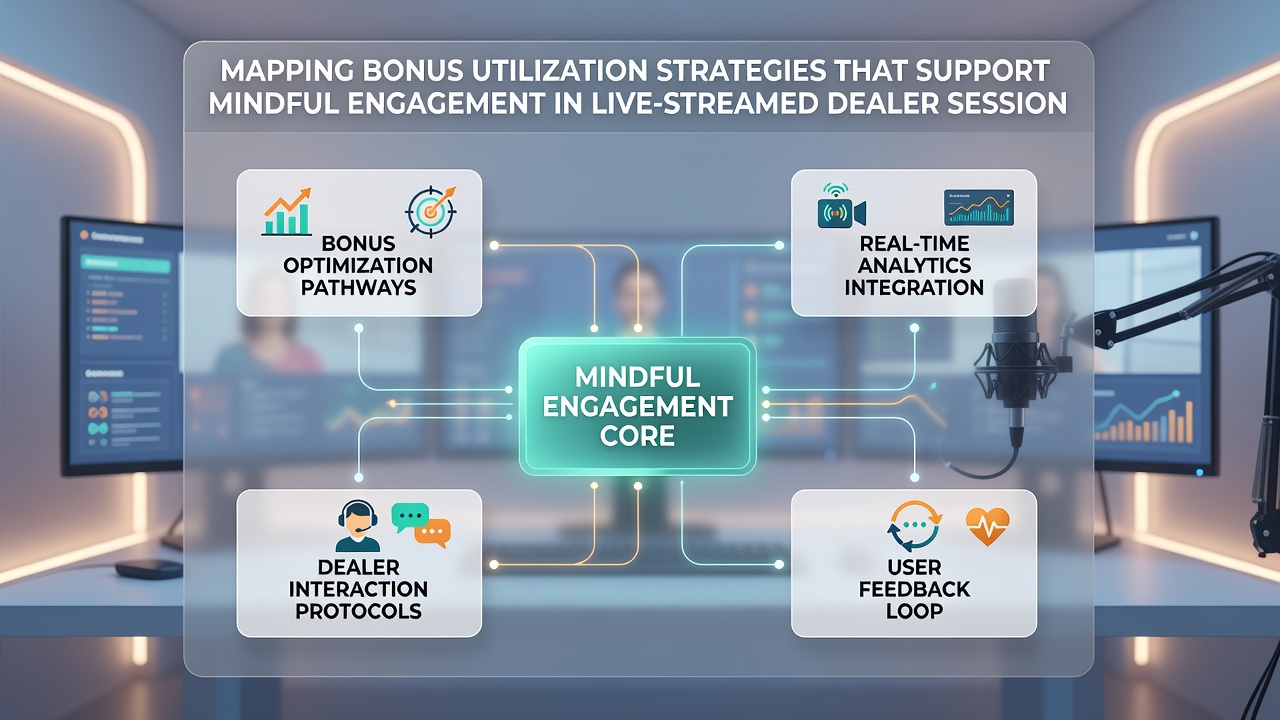
According to reports issued by the New Jersey Division of Gaming Enforcement, mobile live dealer sessions accounted for 41 percent of all online table game revenue during the second quarter of 2026, a share that has remained stable into October. The same reports note that operators offering granular bonus tracking tools recorded lower rates of rapid bet escalation compared with platforms using simpler reward structures. Interface logs indicate that players who activated the optional pause prompts completed an average of 18 percent more rounds per session while maintaining consistent bet sizes.
Regional Regulatory Influences on Strategy Design
Regulatory frameworks in multiple jurisdictions now require operators to document how bonus systems interact with live dealer pacing. The Malta Gaming Authority published updated technical standards in July 2026 that mandate visible timers for all time-limited bonuses and prohibit automatic re-activation without explicit user confirmation on mobile devices. Similar provisions appear in guidelines from the Australian Communications and Media Authority, which emphasize that reward schedules must not create pressure to accelerate play during dealer rotations.
These requirements have led developers to build configurable mapping modules that operators can adjust per jurisdiction while preserving core functionality across regions. The modules record timestamped bonus activations and player responses, generating compliance reports that regulators can review without accessing individual session footage.
Implementation Examples Across Platforms
One European operator introduced a mapping system in early 2026 that assigns color gradients to bonus progress, shifting from blue to green as players approach the next reward tier during live baccarat streams. Another platform serving North American markets added a session summary screen that appears automatically after thirty minutes, listing total bonus value earned alongside average decision time per hand. Both implementations rely on the same underlying logic of spacing incentives to match typical live dealer round durations, which range from 45 to 90 seconds depending on game type.
Industry organizations such as the European Gaming and Betting Association have compiled anonymized datasets showing that structured bonus mapping correlates with steadier engagement patterns across smartphone users. These datasets track metrics including round completion rates and average interval between bets, providing operators with benchmarks for refining their own configurations.
Conclusion
Mapping bonus utilization in live-streamed dealer sessions on smartphones centers on aligning reward delivery with the natural rhythm of dealer interactions and mobile interface capabilities. Regulatory updates through October 2026 continue to shape how these systems present progress indicators and optional pauses, while technical integrations ensure real-time synchronization between video feeds and bonus meters. Observers continue to monitor how these approaches evolve as live dealer volumes grow and additional jurisdictions adopt specific technical standards for mobile gaming environments.